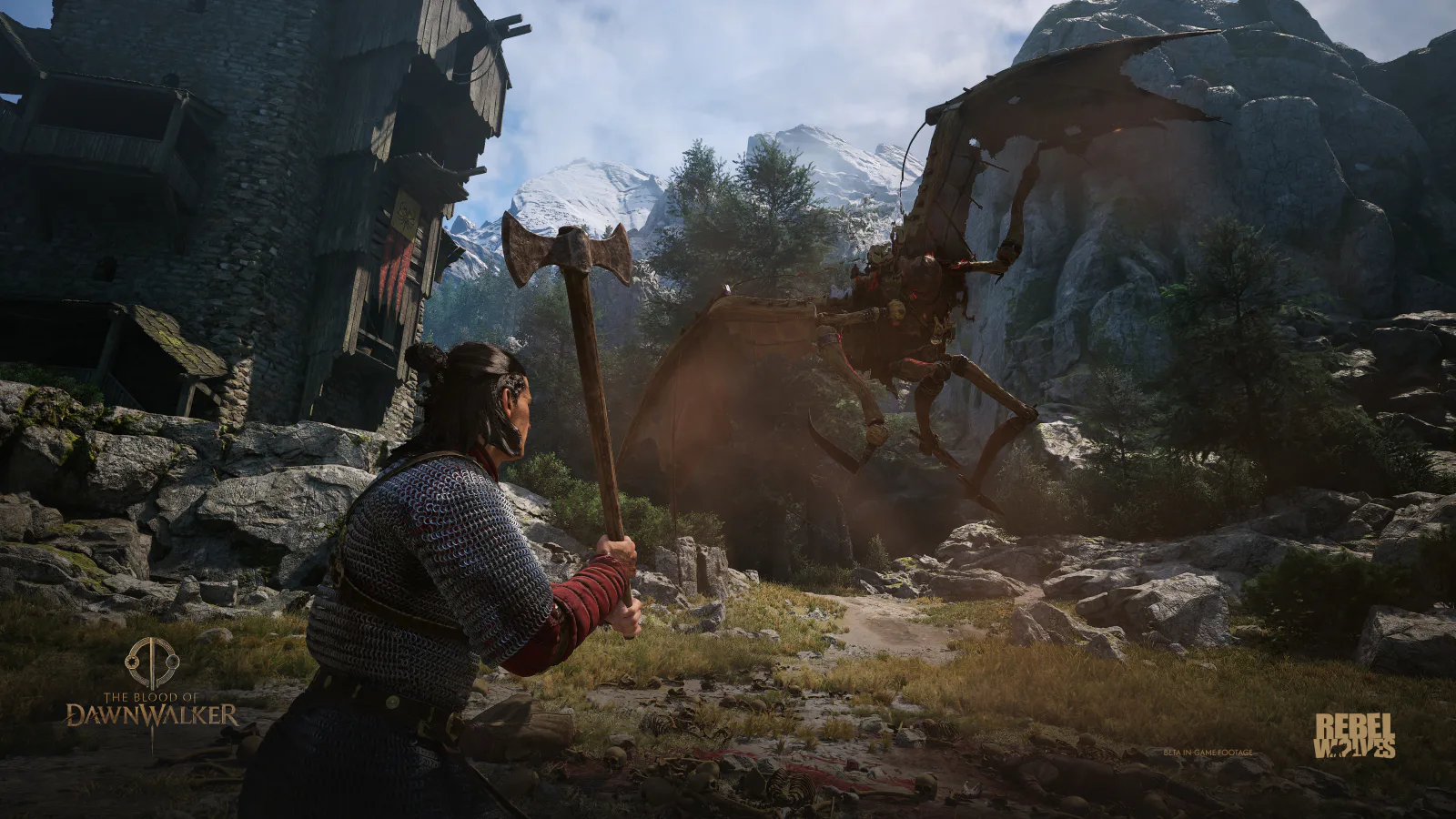
The 30-day narrative clock versus real-time open world exploration
One of the most widespread misconceptions among new players in The Blood of Dawnwalker is the assumption that the thirty-day time limit functions as a relentless real-time countdown. In reality, wandering across the countryside, scouting forgotten ruins, picking alchemical reagents, and engaging roaming beasts do not advance the campaign calendar by a single hour.
Vale Sangora is constructed as a narrative sandbox where the calendar moves forward exclusively upon concluding specific milestones. You can spend dozens of real-time gameplay hours hunting bandit camps or solving environmental riddles without fear of running down Coen's survival timer.
Understanding this separation between immersive exploration and narrative progression allows you to thoroughly prepare Coen with top-tier equipment and alchemical potions before committing to irreversible story junctions.
What actually consumes calendar days and Action Points
Calendar days advance through the expenditure of Action Points allocated to major storyline operations. Key main quests that directly challenge vampire lieutenant fortifications or alter regional political control are visibly flagged with an hourglass symbol in Coen's quest journal.
When you accept and complete one of these pivotal quests, the overarching story calendar advances by designated days, shifting enemy garrison deployments and altering regional conditions throughout Vale Sangora.
Additionally, choosing a Deep Rest at wilderness campfires to completely purge persistent physical trauma or curse buildup consumes a calendar unit. Balancing aggressive quest progression against necessary recuperation forms the strategic heart of your campaign planning.
How day-night transitions operate alongside camp rests
While the thirty-day campaign clock remains bound to pivotal narrative choices, the local day-night cycle shifts naturally every forty-five minutes of active gameplay. Daylight transforms Coen into a disciplined human swordsman, while darkness awakens his supernatural Vrakhir vampiric capabilities.
Resting briefly at a standard campfire allows players to choose whether to wake at dawn or nightfall. This standard rest advances the immediate hour of the day without advancing the thirty-day campaign counter, granting players full freedom to approach objectives in their preferred form.
By strategically resting until twilight, players can infiltrate heavily defended bastions under the cover of darkness, utilizing vampiric mist mobility to bypass watchtowers before dawn arrives.
Essential FAQ regarding time limits and mission pacing
Does exploring caves or looting ancient tombs consume days? No. Underground crypts, haunted estates, and wilderness encounters never progress the thirty-day calendar counter, regardless of how long you spend inside them.
Can you miss side content due to the time limit? While main story choices progress the calendar, uncompleted minor contracts remain accessible until the final siege sequence on day thirty, provided their quest givers remain alive.
What happens if day thirty arrives before finishing the campaign? If day thirty concludes without Coen confronting the ancient progenitor, the solar eclipse claims Vale Sangora, triggering a failure ending and offering a checkpoint restore.