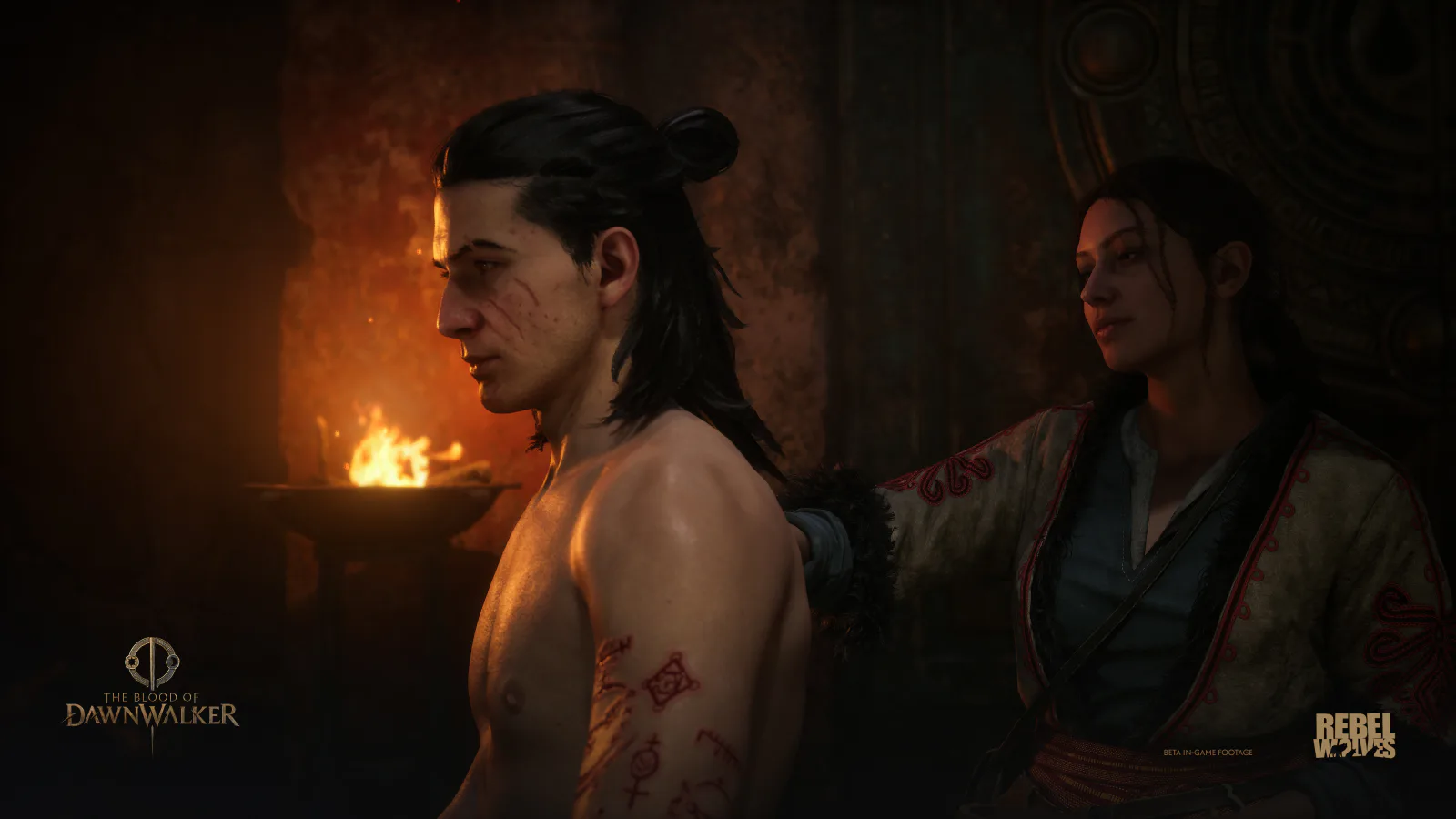
The review consensus in one answer
The first finished reviews point to a good, distinctive RPG rather than an uncontested classic. VGC awarded the PlayStation 5 version 4/5, while GamesRadar and Game Informer were more guarded in their written verdicts. Across the three approved reviews, the strongest common case for the game is its dark world, committed storytelling, consequential quest structure, and the tension created by choosing how to spend limited narrative time.
The reservations also overlap. Critics question whether the time system reaches the full depth promised by the premise, whether repeated activities dilute exploration, and whether combat and vampire role-playing stay equally compelling throughout the journey. VGC also reports frame-rate problems and bugs in its reviewed PS5 build. That platform-specific concern should inform a buying decision without being expanded into an unsupported verdict about every version. This is a review roundup based on named critics, not a hands-on score from this wiki.
Story and world are the clearest strengths
VGC praises the writing and argues that the smaller, focused world avoids much of the filler associated with oversized RPG maps. Game Informer sees familiar Witcher influence, but also finds value in the way Dawnwalker asks players to accept limits instead of consuming every activity in one run. GamesRadar highlights the folkloric setting even while taking a more critical view of the surrounding activity loop and its ability to sustain immersion.
Those judgments support a specific expectation: this is a game for players who want to inhabit a grim role-playing setting and live with imperfect outcomes. They do not establish that every quest branch is equally strong, and they should not be flattened into a promise that choice always produces a dramatic consequence. The consistent point is narrower. Characters, atmosphere, and authored quests carry much of the experience, while the world works best when its stories matter more than clearing every icon.
The time system creates the biggest critical divide
Dawnwalker's central constraint gives Coen 30 days and makes selected quests, training, and other commitments spend portions of that time. Game Informer treats limitation itself as a refreshing idea because it forces players to decide which people, alliances, and opportunities deserve attention. The critic also calls the execution uneven. VGC reaches a similar conclusion: the mechanic supports a focused adventure, yet does not feel as fully developed as the concept suggests.
GamesRadar finds that time costs can produce awkward pacing and make routine side activities feel less worthwhile. Its concern differs from simply wanting more content: the review questions whether spending a scarce resource makes repetitive tasks more meaningful. The important buying question is therefore not whether time exists, but whether you enjoy prioritising incomplete outcomes. Completionists may find the forced trade-offs frustrating; players who like replaying different routes may see the same constraint as the point.
Combat works, but critics disagree on its staying power
VGC calls the combat weighty and satisfying and enjoys the excess of the vampire move set. GamesRadar finds that directional combat can work well in duels, but is less convinced by the wider activity loop. Its review also argues that Coen's vampirism does not create as many mechanical or moral pressures as the fiction implies. These are different judgments about emphasis rather than evidence that one outlet played an entirely different game.
The pattern suggests that combat is most appealing when the player enjoys deliberate direction-based defence, two contrasting forms, and the role-playing context around each encounter. It is less likely to win over someone expecting the precision of a dedicated character-action game or a deep morality simulation built around feeding. None of the four sources proves a universal best build or difficulty setting. Those questions require reproducible game data, so this roundup keeps them separate from each reviewer's qualitative experience.
Performance reports must stay platform-specific
VGC reviewed on PlayStation 5 and reported a choppy frame rate plus enough bugs to affect the verdict, despite save systems preventing a major loss of progress. GamesRadar reviewed on PC and Game Informer reviewed on PS5, but the approved material does not provide a controlled, like-for-like benchmark across their builds. Combining those experiences into one technical average would hide the platform, patch, settings, and scenes behind each observation.
The defensible conclusion is therefore limited: the VGC review raises a real PS5 launch-build concern, while the three sources do not establish the same result across PC and Xbox. Buyers sensitive to frame pacing or launch bugs should check post-launch testing for their exact platform and patch. A critic's performance experience is valuable evidence when its context stays attached; it becomes misleading when generalized to hardware that was never tested in that review.
Who is most likely to enjoy Dawnwalker
The strongest fit is a player who values dark fantasy storytelling, difficult choices, authored quests, and a world that is focused rather than endless. Familiarity with The Witcher 3 may help set expectations for tone and structure, but the reviews do not present Dawnwalker as a replacement or simple copy. Its own identity rests on the human-vampire split and the need to spend time on some paths while abandoning others.
Waiting is reasonable if technical polish, exhaustive completion, or a heavily simulated vampire morality system is essential to your purchase. Read the Metacritic tracker for the dated platform aggregates, then open the original reviews linked below and match their test platform to yours. Compare what each critic completed, which systems shaped the verdict, and whether those priorities resemble your own. Scores summarize an opinion; they do not replace the reviewer's disclosed hardware, completion context, or criticism. This page will change only when additional finished reviews provide evidence that materially alters the current pattern.